A Little Something About Spoons
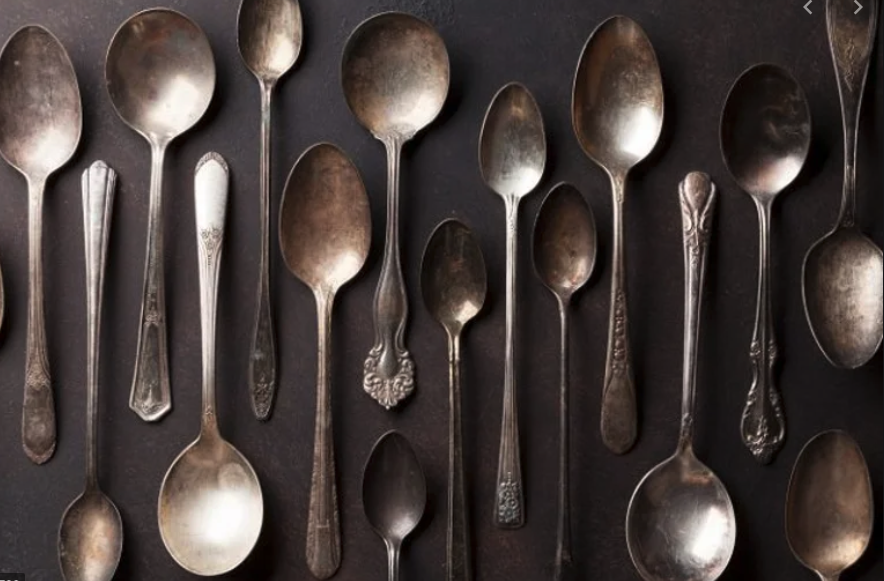
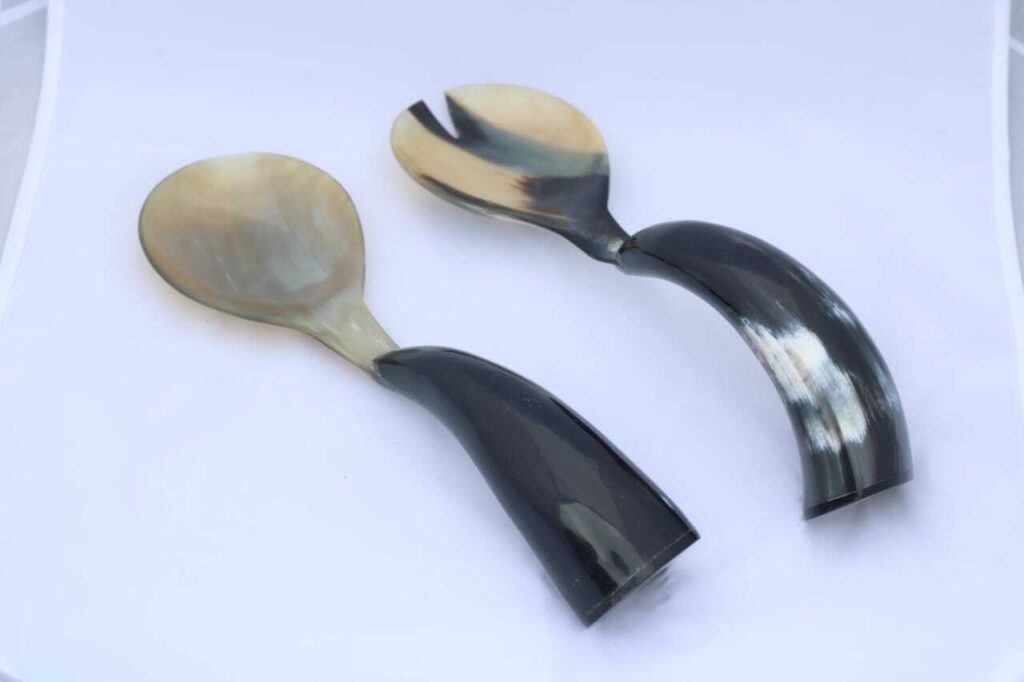
Spoons, humble and utilitarian in nature, possess a remarkable historical significance that spans across various civilizations and epochs. The invention of spoons can be traced back thousands of years, making them one of the oldest known eating utensils. The earliest spoons were carved from wood, bone, or seashells, reflecting the resourcefulness and craftsmanship of early human societies. Their historical significance lies in their fundamental role as tools for nourishment and the social rituals surrounding communal dining.
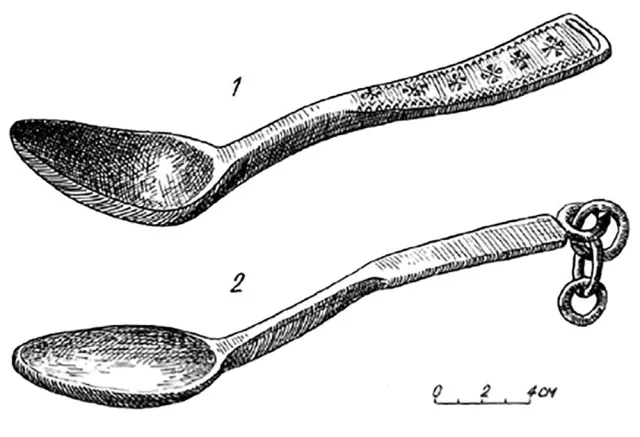
In ancient civilizations, spoons played a vital role in cultural and religious practices. For instance, in ancient Egypt, spoons were buried alongside the deceased as essential tools for the afterlife. The ancient Greeks and Romans used spoons not only for eating but also for measuring ingredients in cooking. Moreover, spoons held symbolic value during important ceremonies, such as weddings or religious rites, signifying the sharing of food and communal bonds.
During the Middle Ages and the Renaissance, spoons became status symbols, with nobility owning elaborately crafted and ornate spoons made of silver or gold. These luxurious spoons often featured intricate engravings and precious gemstones, showcasing the wealth and power of their owners. The historical significance of spoons during this period extends beyond their functionality, as they became objects of opulence and prestige.
Spoons also played a critical role in the development of table manners and etiquette. As dining became more refined in the 18th and 19th centuries, various types of spoons emerged for specific purposes, such as soup spoons, dessert spoons, and tea spoons. This refinement of utensils paralleled the increasing emphasis on social etiquette and proper table manners. Spoons became symbols of sophistication and civilized behavior, reinforcing the historical significance of these seemingly ordinary objects.
In conclusion, spoons have traversed time, cultures, and social classes, leaving an indelible mark on human history. From their earliest iterations as primitive tools to their evolution into symbols of status and refinement, spoons have played a pivotal role in nourishment, cultural practices, and social rituals. Their historical significance lies not only in their functionality but also in the narratives they weave about human ingenuity, social dynamics, and the evolution of dining customs.